Author: admin

  • Host a Proper Poker Night at Home Without Turning It Into a Circus

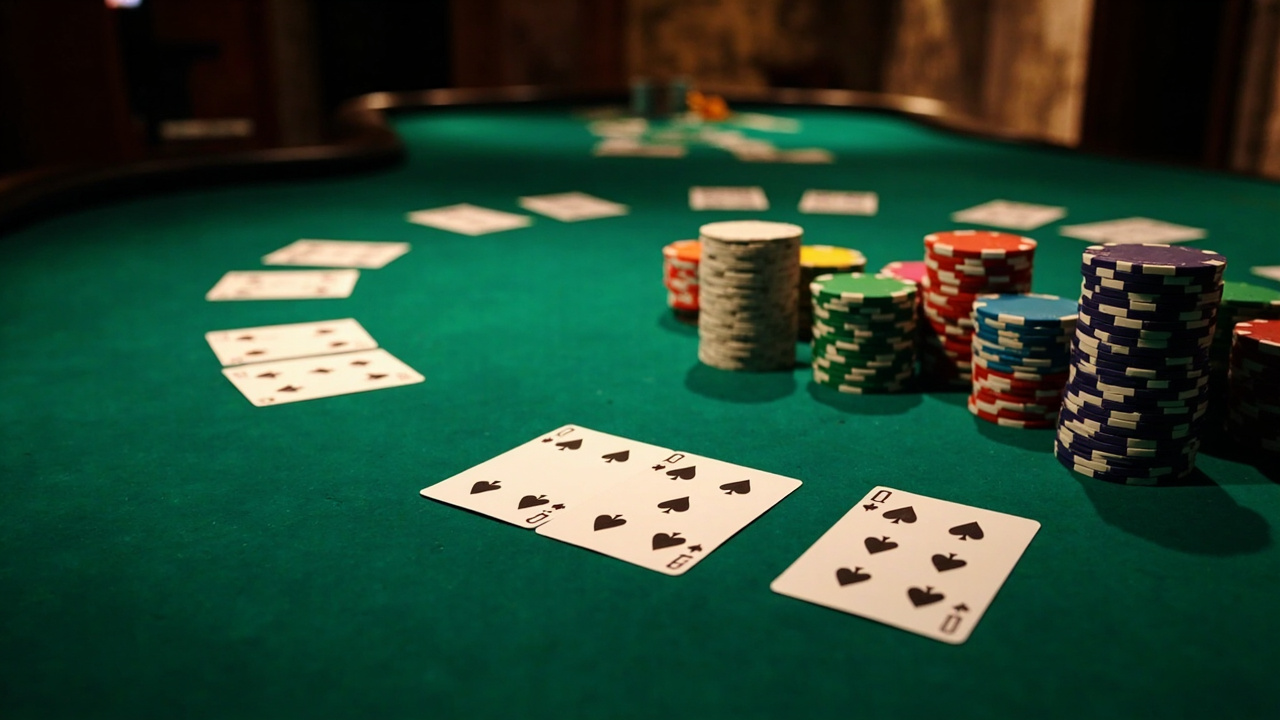
    There is a particular pleasure in setting out a deck, a few chips, and a plate of snacks, then watching mates settle into a game that runs on its own rhythm. A good home game rewards patience and clear rules more than flashy gear, and the right setup keeps the night moving without the sort of friction you’d hit on a delayed Sydney train. If you want poker night ideas for home that actually hold together across a few hours, start with the table layout, the buy-in, and the pace you want to set before anyone deals the first card.

    Build the Table So the Night Runs Smoothly

    A crowded Melbourne tram has nothing on a table where elbows knock chips and the dealer loses count of the pot. Give every player enough room to act without sweeping the board, keep the deck and discard pile separated by a clear gap, and place a small timer where everyone can see it. I’ve trained dealers across four regions, and the same rule keeps coming back: a tidy layout cuts disputes faster than any lecture on etiquette. Lay out a simple score sheet, agree on the blind structure before the first arvo drink, and keep a spare deck nearby so a bent card never stalls the hand. If your group tends to stretch past a couple of hours, a fixed time limit per round keeps the energy up and stops the game from dragging like a long queue at a Bunnings sausage sizzle.

    Set the Stakes and the Pace Before the First Deal

    Money at a home table should feel like a friendly agreement, not a surprise tax. Pick a buy-in that everyone can afford to lose without a second thought, write the rebuy rules on a scrap of paper, and decide whether you’re playing for cash or points before the cards come out. I’ve run shift operations where a clear ceiling on table limits saved more arguments than any fancy rulebook, and the same logic applies here: keep the numbers visible and the caps honest. A slow, steady blind increase works better than a steep climb that forces players to fold just to survive. If your mates prefer a lighter touch, run a points table where the winner collects a voucher for the next session, which keeps the stakes social and the mood easy.

    Keep the Dealer Role Fair and the Hands Moving

    Rotating the dealer role sounds simple until someone has spent the last hour shuffling badly and the rest of the table is watching the clock. Use a token or a small marker to pass the deal, and let the dealer sit out the first hand after a big win so no one feels targeted. My time in pit management taught me that a fair rotation beats a rigid schedule every time, because people relax when they know the role comes back around without favouritism. Keep a printed hand-ranking chart on the table for anyone who needs a refresher, and call a quick pause if a hand gets muddled rather than letting the confusion snowball. A smooth home game depends on everyone treating the deal as a shared duty, not a performance.

    Read the Room and Know When a Real Casino Site Fits a Quiet Session

    A home table is brilliant for mates who want a slow, social hand, but sometimes the group wants a faster pace or a solo session after the others head home. When a player wants to keep the cards turning without organising another night, a quiet online session can fill the gap, and some operators make that easy with straightforward signup, clear verification, and a first deposit that actually lands where you expect it. If you’re comparing options for that kind of session, jackpot jill casino real money with quick cashout is one path worth a look, though you should always check the terms on bonuses and withdrawal timing before you commit. Daniel Thompson, Board Member, Brighton Beach Betting Lab, notes that players often underestimate how much a clean first-session flow matters, because a clunky signup can sour the mood before the first hand even starts. Charlotte Collins, Affiliate Partnerships Director, Ironbark Compliance Advisory, adds that verification and geo checks are not just paperwork; they’re the step that keeps a session legitimate and the payout path predictable. When you do choose an online table, treat it like a separate night out rather than a replacement for the home game, and keep the pace deliberate so it complements the social sessions rather than competing with them.

    A Few Terms Worth Knowing Before the Chips Fly

    • Buy-in – the amount a player puts in to take a seat at the table.
    • Blind – the forced bet posted before cards are dealt, usually by the two players to the dealer’s left.
    • Rebuy – adding more chips after losing the original buy-in, if the group allows it.
    • Shuffle up and deal – the cue that cards are ready and the hand is starting.
    • Showdown – the point where remaining players reveal their hands to decide the pot.

    A proper home game is really about setting the table, keeping the pace honest, and letting the group settle into a rhythm that feels easy rather than forced. Pick a layout that gives everyone room, agree on the buy-in and blinds before the first card, and rotate the deal so no one carries the whole night. When the group wants a solo session or a faster pace, a well-run online table can slot in alongside the home nights, provided the signup, verification, and first deposit all make sense before you play. Keep the stakes social, the rules visible, and the mood relaxed, and the cards will do the rest.

  • H1: What Pokies Sounds Really Do to Your Psychology During a Spin

    When you sit down for a session, the first thing that hits you is not the reels but the noise. In my years running QA for iGaming operators, I have watched sound design do more work on a player’s attention than most people realise. The little chimes, the near-miss stingers, the way a win rattles through the speakers – these are not accidental. They are tuned, tested, and rolled out the same way we would test a new build before release. If you are new to the scene, it helps to understand what you are hearing and why it matters, especially when you are checking your eligibility, verifying your identity, and making that first deposit into a pokies.net australia pay id account.

    H2: How Sound Drives Your Psychology One Spin at a Time

    Sound on a pokie is engineered to keep your focus on the next press of the button. In QA terms, I treat audio cues the same way I treat a release candidate: every stinger, every reel-stop chime, every bonus trigger needs to fire consistently across sessions, or players lose trust in the whole interface. The psychology here is straightforward. A win sound rewards the action, a near-miss sound keeps you engaged without promising anything, and the background rhythm lowers the friction between one spin and the next. Operators who get this right build sessions that feel steady rather than frantic, which is exactly what a responsible operator wants when a player is still working through signup, age checks, and that first deposit.

    Cameron Edwards, Head of Operator Partnerships, Capital Territory Gaming Forum, put it plainly when I asked him about audio consistency across builds: “If the same symbol combo plays a different chime on Tuesday than it did on Monday, players notice, and they stop trusting the session.” That is the kind of judgement call we make in QA before anything goes live – not because the sound is loud, but because it is predictable.

    The other side of the psychology is pacing. A well-tuned pokie uses sound to mark progress without rushing you. Too many rapid-fire cues and the session feels chaotic; too few and the machine feels dead. The sweet spot is where the audio supports your own rhythm rather than forcing a new one on you. That matters most when you are still learning the layout, because a beginner who is trying to read paylines and bonus rules at the same time does not need a soundscape shouting over the top of the screen.

    H2: What to Listen For and How to Read a Session

    H3: The cues that actually matter

    Start with the win chime. It is the clearest signal in the whole soundscape, and it should only fire when a real win lands. In testing, I flag any build where a bonus animation plays a win sound without a corresponding credit change – that is the kind of mismatch that confuses a new player and erodes confidence fast. Next, pay attention to the reel-stop sounds. These are subtle, but they tell you the machine has finished its cycle and is ready for your next input. A clean, consistent stop sound is a small thing, but small things are what make a session feel reliable when you are still learning the interface.

    H3: When the soundscape works against you

    The trouble starts when the audio starts competing with your own pace. If every spin triggers a cascade of stingers, the session can feel like it is running you instead of the other way around. That is where a beginner can lose track of time, budget, and the simple question of whether they are still enjoying the session. Emily McKenzie, Head of Operator Partnerships, Murray River Gaming Research, told me that players who understand the audio cues tend to pace themselves better: “Once someone recognises that a near-miss sound is just part of the rhythm and not a hint about the next spin, they usually settle into a steadier session.” That is the practical takeaway – learn the sounds, then use them as information rather than letting them push you. pokies.net australia pay id

    H2: Matching the Soundscape to Your Own Play Style

    If you are working through registration, verification, and your first deposit, the soundscape is not the first thing on your mind, but it should be on your radar. A session that feels calm and predictable is easier to manage when you are still getting used to the layout, the bonus rules, and the payment flow. That is why I always tell beginners to treat the first few spins as a listening session as much as a playing session. You are not trying to chase anything; you are learning what the machine is telling you through its audio.

    For a first session, keep it simple. Start with a low-volatility game if the lobby lets you filter by that, because the soundscape tends to be steadier and the wins come more often in small amounts. Watch how the audio behaves when you hit a small win versus a bonus round. If the sounds feel consistent and the session stays readable, you are in a better position to manage your own pace. If the audio feels chaotic or the cues do not match what is happening on screen, that is a useful signal to step back and reassess rather than push through.

    Detail What it means for your session
    Audio consistency across builds Same cue for the same outcome, every time
    Win chime behaviour Fires only on real credit wins
    Near-miss stingers Part of the rhythm, not a prediction
    First-session pacing Low-volatility soundscapes are easier to read
    Verification and first deposit Keep the session calm while you learn the layout

    The bottom line for a beginner is that sound is part of the interface, not decoration. Treat it like one. When you are verifying your identity, activating a bonus, and making your first deposit, you want a session that is readable and steady enough to let you make your own decisions. A soundscape that supports your pace is a small thing, but small things are what make a session feel manageable when you are still learning the ropes.

  • Whales: Giants of the Ocean

    Whales: Giants of the Ocean

    Whales are among the largest and most remarkable animals on Earth. These marine mammals live in oceans around the world, from warm tropical waters to the cold seas surrounding the poles.

    Life Beneath the Surface

    Although whales spend their lives in water, they breathe air through blowholes located on top of their heads. They must regularly return to the surface to breathe before diving again in search of food or traveling through the ocean.

    Whales are warm-blooded, give birth to live young, and nurse their calves with milk. A thick layer of fat called blubber helps protect them from cold water and stores energy during long migrations.

    Two Main Groups

    Whales are generally divided into baleen whales and toothed whales. Baleen whales filter small animals from the water using flexible plates inside their mouths. This group includes blue whales, humpback whales, and gray whales.

    Toothed whales use teeth to catch fish, squid, and other prey. Many of them also use echolocation, producing sounds and listening for returning echoes to understand their surroundings. Sperm whales, belugas, and orcas belong to this group.

    The Blue Whale

    The blue whale is the largest known animal to have ever lived. An adult can grow longer than a city bus and weigh well over one hundred tonnes. Despite its enormous size, it feeds mainly on tiny crustaceans called krill.

    Communication and Migration

    Whales communicate using clicks, whistles, pulses, and complex songs. Some sounds can travel across great distances underwater. Humpback whales are especially famous for their long, patterned songs.

    Many species migrate thousands of kilometres each year. They often feed in cold, nutrient-rich waters before traveling to warmer regions where they mate and give birth.

    Protecting Whales

    Commercial hunting once caused severe declines in many whale populations. Today, whales also face threats from fishing gear, ship collisions, underwater noise, pollution, and changes to ocean ecosystems.

    Conservation programs, safer fishing practices, protected habitats, and international cooperation can help whale populations recover. Protecting whales also supports healthier oceans because these animals play an important role in marine food webs and nutrient cycles.

  • Whales: Giants of the Ocean

    Whales: Giants of the Ocean

    Whales are among the largest and most remarkable animals on Earth. These marine mammals live in oceans around the world, from warm tropical waters to the cold seas surrounding the poles.

    Life Beneath the Surface

    Although whales spend their lives in water, they breathe air through blowholes located on top of their heads. They must regularly return to the surface to breathe before diving again in search of food or traveling through the ocean.

    Whales are warm-blooded, give birth to live young, and nurse their calves with milk. A thick layer of fat called blubber helps protect them from cold water and stores energy during long migrations.

    Two Main Groups

    Whales are generally divided into baleen whales and toothed whales. Baleen whales filter small animals from the water using flexible plates inside their mouths. This group includes blue whales, humpback whales, and gray whales.

    Toothed whales use teeth to catch fish, squid, and other prey. Many of them also use echolocation, producing sounds and listening for returning echoes to understand their surroundings. Sperm whales, belugas, and orcas belong to this group.

    The Blue Whale

    The blue whale is the largest known animal to have ever lived. An adult can grow longer than a city bus and weigh well over one hundred tonnes. Despite its enormous size, it feeds mainly on tiny crustaceans called krill.

    Communication and Migration

    Whales communicate using clicks, whistles, pulses, and complex songs. Some sounds can travel across great distances underwater. Humpback whales are especially famous for their long, patterned songs.

    Many species migrate thousands of kilometres each year. They often feed in cold, nutrient-rich waters before traveling to warmer regions where they mate and give birth.

    Protecting Whales

    Commercial hunting once caused severe declines in many whale populations. Today, whales also face threats from fishing gear, ship collisions, underwater noise, pollution, and changes to ocean ecosystems.

    Conservation programs, safer fishing practices, protected habitats, and international cooperation can help whale populations recover. Protecting whales also supports healthier oceans because these animals play an important role in marine food webs and nutrient cycles.

  • How Regular Players Approach Lottery Strategy Winners

    Across a busy Saturday arvo on the floor, I have watched queues form faster than any table game when the draw lands, and the same discipline that keeps a pit running smoothly applies here. The people who treat lottery strategy winners as a routine rather than a lucky break tend to be the ones who actually manage their spend, their time, and their expectations without drama. In Sydney, the pace is relentless, and that is exactly why a measured approach matters more than chasing a pattern that never existed.

    What the Floor Teaches Us About Lottery Strategy Winners

    On a high-volume shift, labour efficiency is not about cutting corners; it is about removing friction before it costs you time or compliance. I have run nights where the cage line and the promo desk both hit capacity, and the operators who survive are the ones who front-load the boring work: verifying identity, confirming payment rails, and making sure every guest understands the rules before they commit. That same habit shows up in people who consistently talk about lottery strategy winners without drifting into fantasy. They set a fixed amount, they check the draw schedule, and they never let a bad run tempt them into chasing losses on the next ticket. When I compare that to a busy Sydney casino floor, the parallel is clear: disciplined guests and disciplined operators both reduce friction, and friction is what turns a simple process into a complaint. The difference is that a lottery ticket has a fixed cost and a fixed outcome, so the only real lever is how you structure your participation around it.

    How Participants Frame Their Approach to Lottery Strategy Winners

    The first thing I look for is whether someone has actually mapped their spend to a budget they can afford to lose, because that is the line between a hobby and a problem. In my experience, the guests who stay steady are the ones who treat each draw as a priced event, not a promise, and they stop when the envelope is empty. That mindset lines up with what Charlotte Reid, Commercial Director, Bondi Sports Data, has pointed out in our conversations: “The participants who last are the ones who treat the ticket as a priced event, not a forecast, and they stop when the envelope is empty.” When I am working a crowded shift in Sydney, I see the same pattern at the cashier: people who decide their limit before they arrive are far easier to support than the ones who improvise under pressure. A measured approach to lottery strategy winners means you know the draw times, you know the cost per entry, and you know the point at which you walk away, which is exactly the kind of self-control that keeps a busy floor calm. jackpot jill login australia

    The second piece is how people separate the draw from the noise around it. I have stood beside guests who read every rumour into a number sequence, and the ones who stay grounded are the ones who accept that the outcome is random and that no pattern survives a reset. Claire Murray, Commercial Director, Gold Coast Gaming Network, has put it plainly in my hearing: “The draw does not care about your spreadsheet, and the people who do best are the ones who accept that first.” That is the same judgement call I make on shift when a guest wants to keep playing a losing table because they are “due”: the maths does not bend to patience, and the responsible move is to reset the limit, not the expectation. For lottery strategy winners, that means you can enjoy the ritual of picking numbers and checking results without pretending the process is anything other than chance, which is a far healthier way to sit through a long week of draws.

    The third piece is the practical setup around the ticket itself, because even a simple entry becomes messy when support, payments, and account controls are vague. I have seen players lose time and trust when they cannot confirm their entry, cannot reach anyone with a straightforward question, or cannot tell where their money went after a purchase. Georgia Johnson, Gaming Technology Consultant, Top End Gaming Advisory, has noted in our reviews that “a clean purchase path and a clear support line matter more than any clever number picker, because confusion is what turns a small spend into a bigger complaint.” On a busy Sydney floor, I apply the same test to every transaction: if a guest cannot tell me what they bought, when it settles, and who to call if something is off, then the process is not ready for volume. For lottery strategy winners, that means a straightforward registration, a payment method you recognise, and a support contact that answers in plain language, which is the kind of setup that keeps a small habit from becoming a frustrating one.

    Who This Approach Suits Best Among Lottery Strategy Winners

    This kind of measured approach suits people who want a low-friction routine more than a thrill ride, and it is especially fitting for anyone who already treats their leisure spend like a fixed line in a weekly budget. If you are the sort of guest who prefers to know the draw times, the cost per entry, and the support path before you commit, then you will probably find the whole process easier to manage than the alternative, which is improvising every time the numbers come up. It is less suited to anyone looking for a shortcut, because the draw does not reward patience with better odds, and it is not a fit for people who want to turn a casual ticket into a serious income plan. In practice, the guests who do best are the ones who keep the habit small, keep the paperwork simple, and keep a clear head when the results do not go their way, which is the same kind of discipline I ask for on a busy shift.

    Two mates at the pub, flat whites in hand, summed it up better than I could. “I reckon the only real strategy is not buying more than you meant to,” one said, stirring his cup. “And checking the result without pretending the next draw owes you one,” the other replied, before they both turned back to the footy. That is the kind of conversation I would rather hear than the loudest voice at the counter telling everyone they have cracked a system that does not exist.

    The strongest takeaway is that lottery strategy winners work best as a disciplined habit, not as a prediction game, and the people who keep it tidy are the ones who set a limit, confirm the basics, and accept the randomness before they buy. If you want a low-fuss way to take part, keep the spend fixed, keep the paperwork simple, and keep a clear head when the numbers do not go your way.

  • Big Stack Play in Australian Poker Rooms

    Managing a deep chip lead without forcing every hand is where many Australian players trip up, especially when public pokies, keno draws and two-up nights have trained us to expect fast action. Poker big stack strategy is less about aggression for its own sake and more about controlling the table tempo, preserving your margin, and knowing when a reckless shove actually costs you money. I’ve watched plenty of players blow a healthy lead in a single afternoon because they treated a big stack like a licence to bully every street. The reality is messier, and the platforms selling poker online need to be clearer about how bonuses, rakeback and table limits interact with that extra capital.

    What a Big Stack Actually Changes at the Table

    When you’re sitting on a deeper stack than the field, the pressure shifts from surviving to steering. You can keep opponents guessing without overcommitting, and you can afford to play fewer hands with more patience. That sounds straightforward until you factor in how a platform’s bonus structure rewards volume or how table stakes limit your ability to extract value from thin edges. A practical poker big stack strategy has to account for the game format, the rake environment and the way wagering requirements can quietly eat into your edge if you’re chasing turnover to clear a promotion.

    Sophie Scott, Customer Experience Lead at Flinders Interactive Group, puts it plainly: “Players often treat a bonus as free run-time, but the wagering maths and game weighting can turn a comfortable stack into a grind if you’re not tracking contribution rates.” That’s the kind of detail a consumer-focused player should weigh before leaning on a promotion to pad their bankroll. The spinner tossing coins in two-up knows there’s a rhythm to the throw, and poker at this level is similar – you’re reading tempo, not just cards. Keno is a fixture in Australian pubs, clubs and casinos for a reason: it’s quick, loud and distracting, which is exactly why a disciplined stack plan matters when you step away from those tables and into a deeper-register poker game.

    Detail What it means for your play
    Table stakes and rake Bigger stacks lose more to rake over time if you play too many marginal hands
    Bonus contribution Not every game counts equally toward wagering, so check weighting before relying on a promo
    Table selection Deep stacks fare better where opponents play tighter and post-flop decisions get heavier
    Session limits Set a stop point before the arvo gets busy and tilt starts creeping in

    How to Handle a Deep Stack Without Burning It

    Position is your first advantage

    A deep stack lets you wait, but only if you respect position. Playing too many hands out of position turns a comfortable cushion into a slow bleed, because you’ll be making post-flop decisions with less information and more pressure to act. The trick is to tighten up early, then widen your range as you get closer to the button, where you can control pot size and steer opponents into awkward spots. Adam Bennett, Compliance Director at Eucalypt Digital Advisory, notes that “transparency around table rules and stake limits matters because players who don’t read the fine print often misjudge how much room they actually have to manoeuvre.” That’s a fair warning: a big stack is only useful if you know the boundaries of the game you’re in.

    Pot control beats hero calls

    With extra chips behind, the temptation is to call down lighter and bluff harder. That works in short-stack play, where every street is a commitment, but it backfires when you can afford to keep pots manageable. A poker big stack strategy leans on check-calling, sizing your bets to deny odds rather than chasing fancy lines, and letting opponents stack themselves into bad spots. You don’t need to manufacture drama; you need to stay dry when the action gets wet. If you’re playing on a platform that pushes volume through recurring promos, resist the urge to turn every hand into a showdown just to tick up your turnover.

    When to apply pressure and when to fold

    Pressure only works if the table is paying for it. Look for players who overcommit with marginal hands, then use your depth to make them choose between folding and risking too much. The opposite move is just as important: folding when the reads are thin, the pot is getting bloated, and your stack doesn’t actually need to fight for every pot. I’ve seen players lose a week’s worth of careful play in one hand because they treated a big stack like a free pass to win the pot. It isn’t. It’s a tool, and tools wear out if you swing them carelessly.

    Who This Approach Fits Best

    This style suits players who can sit through quiet stretches without getting twitchy, and who understand that a deep stack is a margin, not a target. If you’re the sort of player who likes fast decisions, loud crowds and a quick result, a big stack plan will feel slow and frustrating – and that frustration is usually where the mistakes start. It’s a better fit for players who can pick their spots, read a table over a couple of orbits, and walk away when the session stops making sense. If you’re comparing platforms, look for clear stake limits, readable bonus terms and straightforward support, because a muddy offer is the last thing you need when you’re trying to manage a larger bankroll carefully. For a closer look at how different Australian-facing poker rooms structure their offers and table limits, you can check https://ozwincodes.net/ before you commit to any bonus maths that looks too generous to be practical.

    Some players will tell you a big stack is just an excuse to play more hands, but that’s the wrong read. It’s a way to slow the game down on your terms, prune the bad variance, and let the weaker players hang themselves. If you can handle the patience, it’s a solid way to keep your edge intact over a long session.

  • Whales: Giants of the Ocean

    Whales: Giants of the Ocean

    Whales are among the largest and most remarkable animals on Earth. These marine mammals live in oceans around the world, from warm tropical waters to the cold seas surrounding the poles.

    Life Beneath the Surface

    Although whales spend their lives in water, they breathe air through blowholes located on top of their heads. They must regularly return to the surface to breathe before diving again in search of food or traveling through the ocean.

    Whales are warm-blooded, give birth to live young, and nurse their calves with milk. A thick layer of fat called blubber helps protect them from cold water and stores energy during long migrations.

    Two Main Groups

    Whales are generally divided into baleen whales and toothed whales. Baleen whales filter small animals from the water using flexible plates inside their mouths. This group includes blue whales, humpback whales, and gray whales.

    Toothed whales use teeth to catch fish, squid, and other prey. Many of them also use echolocation, producing sounds and listening for returning echoes to understand their surroundings. Sperm whales, belugas, and orcas belong to this group.

    The Blue Whale

    The blue whale is the largest known animal to have ever lived. An adult can grow longer than a city bus and weigh well over one hundred tonnes. Despite its enormous size, it feeds mainly on tiny crustaceans called krill.

    Communication and Migration

    Whales communicate using clicks, whistles, pulses, and complex songs. Some sounds can travel across great distances underwater. Humpback whales are especially famous for their long, patterned songs.

    Many species migrate thousands of kilometres each year. They often feed in cold, nutrient-rich waters before traveling to warmer regions where they mate and give birth.

    Protecting Whales

    Commercial hunting once caused severe declines in many whale populations. Today, whales also face threats from fishing gear, ship collisions, underwater noise, pollution, and changes to ocean ecosystems.

    Conservation programs, safer fishing practices, protected habitats, and international cooperation can help whale populations recover. Protecting whales also supports healthier oceans because these animals play an important role in marine food webs and nutrient cycles.

  • Verificatie bij TenoBet: wat je echt moet controleren

    Veel spelers denken dat ze meteen na registratie kunnen gokken en opnemen, maar TenoBet vraagt om verificatie van je identiteit. Dit is niet vrijblijvend—je kunt je winsten pas uitbetaald krijgen als je account volledig geverifieerd is. Verificatie voorkómt fraude en helpt TenoBet aan zijn vergunning te voldoen. Het goed begrijpen van dit proces scheelt je weken wachten op je uitbetaling. Controleer eerst welke documenten je nodig hebt en in welk formaat TenoBet ze accepteert; je kunt alvast per e-mail navraag doen wat je zaak het snelste regelt. Omdat je hiervoor [TenoBet inloggen] al nodig hebt, kun je in je accountinstellingen zien wat er van jou verwacht wordt.

    Hoe verificatie bij TenoBet werkt

    Verificatie is niet eenmalig. TenoBet doet dit in minstens twee delen: eerst controleert het je identiteit, later je adres. Elk deel kan om verschillende documenten vragen.

    Waarom TenoBet om verificatie vraagt

    Wettelijk gezien moet TenoBet weten wie je bent. Dit is niet alleen ter bescherming van het casino, maar ook van jou: het voorkomt dat je geld per ongeluk naar iemand anders gaat, en het stopt criminele activiteiten. Een geverifieerd account is daarom een teken dat je niet tegen valse gegevens opneemt. TenoBet kan zonder verificatie geen geld uitbetalen, zelfs niet als je het zelf vraagt.

    Het proces is streng omwille van regelgeving, maar het beschermt ook jezelf tegen identiteitsdiefstal. Als je account geverifieerd is onder jouw echte gegevens, weet je zeker dat alleen jij erop kunt opnemen. Veel spelers zien dit als omslachtig, maar het is dezelfde standaard die elke gereguleerde casino hanteert.

    De stappen in de juiste volgorde

    Eerst ga je naar je accountinstellingen en zoek je naar iets als “Verify account” of “Verificatie”. TenoBet vraagt hier al naar je basisgegevens: voornaam, achternaam, geboortedatum en adres. Dit moet exact overeenkomen met je documenten. Controleer dit dubbel voordat je iets uploadt.

    Daarna upload je je identiteitsbewijs. Dit kan een paspas, rijbewijs of nationale ID zijn. TenoBet wil twee kanten zien, dus zorg dat je beide pagina’s goed fotografeert. Als die stap goedgekeurd is, vraagt TenoBet meestal om adresverificatie—bijvoorbeeld een recent huishoudenrekening of woondocument. Pas als allebei goedgekeurd zijn, is je account volledig geverifieerd.

    Documenten die TenoBet waarschijnlijk nodig heeft

    TenoBet volgt de standaard regels voor documentatie. Weet wat het accepteert, in welk formaat, en welk formaat niet. Dit scheelt je een weigering en opnieuw uploaden.

    Wat je voor identiteitsbewijs kunt gebruiken

    Een geldige paspas, rijbewijs of nationale ID-kaart zijn standaard. TenoBet accepteert deze bijna altijd. Het document moet nog minstens enkele maanden geldig zijn; een verlopen bewijs wordt meestal afgewezen. Zorg dat alle vier hoeken van het document zichtbaar zijn en dat alle tekst leesbaar is.

    Een studentenpas of paspoort zonder foto kan ook, maar vraag dit vooraf via de support. Sommige casinos accepteren het, anderen niet. Een afbeelding van het origineel is vereist, niet een fotokopie of screenshot van een scherm. Als je het document niet hebt, bel de gemeente; je krijgt op dezelfde dag al wat.

    Adresverificatie en andere stukken

    Voor je adres vraagt TenoBet meestal een huishoudenrekening, energierekening of iets vergelijkbaars. Dit document moet van de laatste twee tot drie maanden zijn. Het mag niet ouder dan dat, want TenoBet wil zeker weten dat je daar nog woont.

    Een huurcontract kan ook werken, zolang het actueel is en je naam duidelijk erin staat. Een bankafschrift gaat soms ook, maar niet altijd; controleer wat TenoBet accepteert. Het doel is simpel: bewijzen dat je op het adres woont dat je hebt opgegeven. Als je onlangs bent verhuisd en je oude adres in je account staat, update dit eerst in de instellingen voordat je uploadt.

    Foto’s van goede kwaliteit maken

    De grootste oorzaak van afwezing is slecht zicht op de documenten. Zorg voor goed licht, geen schaduw op het document en geen schijn in de camera. Maak de foto rechtuit, niet scheef of onder een hoek. Alle vier hoeken moeten zichtbaar zijn, en je kunt geen delen afsnijden.

    Gebruik een smartphone in plaats van een webcam; de foto is doorgaans scherper. Upload beide zijden van je ID afzonderlijk, niet in één foto. Controleer het formaat dat TenoBet accepteert—dit is meestal PDF, JPG of PNG. Gif of BMP gaat meestal niet.

    Fouten die verificatie vertraagd maken

    Verificatie kan weken duren, maar niet altijd omdat TenoBet traag is. Vaak gaan dingen fout aan jouw kant, en als je weet wat, voorkom je dat.

    Wanneer TenoBet afkeuring geeft

    De voornaam of achternaam in je account klopt niet met je document. Dit is de meest voorkomende reden. Als je jezelf “John” noemt maar je paspoort zegt “Jonathan”, zal het afgewezen worden. Zorg dat je accountnaam exact overeenkomt met je officiële document, woord voor woord.

    Een ander veelvoorkomend probleem: je adres in je account klopt niet met je adresverificatiedocument. Als je account zegt dat je in Amsterdam woont maar je gas-rekening toont een adres in Utrecht, weigert TenoBet het. Update je account vóór je uploadt. Ook kunnen documenten afgewezen worden als ze onleesbaar zijn, scheef of met donkere hoeken. Of TenoBet accepteert het type document eenvoudigweg niet. Kijk in je helpcenter welke types het accepteert.

    Hoe je de afkeuring aanvecht

    Als je een afkeuring krijgt, lees je eerst heel goed waarom. TenoBet geeft meestal een reden. Klopt je naam niet? Zet hem recht in je profiel en upload opnieuw. Klopt je adres niet? Werk het bij. Het document onleesbaar? Maak een betere foto.

    Ben je zeker dat je alles goed hebt gedaan? Neem contact op met de support. Dit kan via live chat, e-mail of telefoon. Leg uit wat je hebt geupload en vraag waarom het afgewezen werd. Wees concreet en vriendelijk. Als je support beweert dat je paspoortkwaliteit slecht is, vraag dan welk formaat ze voorkeur geeft of of je iets anders kunt sturen.

    Wat je nu kunt doen

    Begin niet te wachten tot je geld wilt opnemen. Verificatie kan altijd langzamer gaan dan je hoopt, dus start nu. Ga naar je account, lees wat TenoBet vraagt en verzamel je documenten. Maak foto’s in goed licht, zorg dat alles leesbaar is, en controleer je accountgegevens dubbel. Upload alles in één keer in plaats van stukje bij beetje. Dit geeft TenoBet de beste kans om je in één ronde goed te keuren.

    Checklist voordat je opneemt

    Je hebt nu drie dingen nodig om veilig op te nemen. Ten eerste moet je account volledig geverifieerd zijn—niet “in behandeling”, maar groen en goedgekeurd. Ten tweede moet je een betalingsmethode hebben ingesteld. Ten derde moet je weten dat opnames bij veel casinos teruggaan naar de methode waarmee je inbetaald hebt. Dus als je via creditcard inbetaald hebt, keert je winst daar terug. Als je een e-wallet hebt gebruikt, krijg je daar het geld. Dit kun je niet veranderen; het is een veiligheidsmaatregel. Controleer voor de eerste opname altijd welke methodes beschikbaar zijn en hoeveel er per opname in of uit kan. Sommige casinos hebben minimums of maximums. Tot slot: verifieer je e-mailadres als je dat nog niet hebt gedaan. Het is lastig om geld terug te krijgen als je account niet volledig klaar is. Een speler met een onbevestigd e-mailadres, onvolledige verificatie en een oude betalingsmethode loopt de grootste kans op vertraging.

  • Whales: Giants of the Ocean

    Whales: Giants of the Ocean

    Whales are among the largest and most remarkable animals on Earth. These marine mammals live in oceans around the world, from warm tropical waters to the cold seas surrounding the poles.

    Life Beneath the Surface

    Although whales spend their lives in water, they breathe air through blowholes located on top of their heads. They must regularly return to the surface to breathe before diving again in search of food or traveling through the ocean.

    Whales are warm-blooded, give birth to live young, and nurse their calves with milk. A thick layer of fat called blubber helps protect them from cold water and stores energy during long migrations.

    Two Main Groups

    Whales are generally divided into baleen whales and toothed whales. Baleen whales filter small animals from the water using flexible plates inside their mouths. This group includes blue whales, humpback whales, and gray whales.

    Toothed whales use teeth to catch fish, squid, and other prey. Many of them also use echolocation, producing sounds and listening for returning echoes to understand their surroundings. Sperm whales, belugas, and orcas belong to this group.

    The Blue Whale

    The blue whale is the largest known animal to have ever lived. An adult can grow longer than a city bus and weigh well over one hundred tonnes. Despite its enormous size, it feeds mainly on tiny crustaceans called krill.

    Communication and Migration

    Whales communicate using clicks, whistles, pulses, and complex songs. Some sounds can travel across great distances underwater. Humpback whales are especially famous for their long, patterned songs.

    Many species migrate thousands of kilometres each year. They often feed in cold, nutrient-rich waters before traveling to warmer regions where they mate and give birth.

    Protecting Whales

    Commercial hunting once caused severe declines in many whale populations. Today, whales also face threats from fishing gear, ship collisions, underwater noise, pollution, and changes to ocean ecosystems.

    Conservation programs, safer fishing practices, protected habitats, and international cooperation can help whale populations recover. Protecting whales also supports healthier oceans because these animals play an important role in marine food webs and nutrient cycles.